
The Role of Luck in Gambling
Luck has long been a topic of fascination in the world of gambling. Many players believe that luck plays a critical role in their success at the casino, as it can determine the outcome of games such as slots, roulette, and even card games. For instance, when pulling the lever of a slot machine, a player might feel that their current state of fortune or misfortune can directly influence whether they will hit the jackpot or face disappointment. Additionally, many enthusiasts seek out a fast withdrawal casino uk to ensure that their winnings are accessible quickly, further enhancing the thrill of their gaming experience. In this sense, luck is often perceived as an invisible force that can sway results in unpredictable ways.
However, it is essential to recognize that luck is often intertwined with probability. Every game played in a casino has a built-in house edge that slightly favors the establishment, regardless of the player’s perceived fortunes. This means that while luck may play a temporary role in individual sessions, over time it is the probabilities that will ultimately dictate outcomes. For example, in a game like blackjack, while one might feel lucky and win a few hands in a row, statistically, the odds will eventually balance out in favor of the house. Thus, luck can influence short-term results, but it is not a reliable strategy for long-term success.
Ultimately, the discussion around luck in gambling also feeds into the psychological aspect of gaming. Players often develop superstitions or rituals they believe can attract luck, such as wearing specific clothing, carrying lucky charms, or even selecting lucky table numbers. While these practices may provide emotional support or a sense of control in an unpredictable environment, they do not alter the fundamental nature of the games played. Therefore, while luck undeniably affects individual experiences, it is essential to approach gambling with a balanced mindset that acknowledges both luck and strategy.
The Impact of Skill and Strategy
While luck can influence the outcome of casino games, skill and strategy significantly affect long-term success. In games like poker, for instance, players who have a deep understanding of the game’s mechanics and strategies can consistently outperform those who rely solely on luck. Skilled players can read opponents, calculate odds, and make informed decisions based on available information. This element of skill separates serious players from casual gamblers, emphasizing that while luck may impact a single hand, strategy ultimately dictates a player’s overall success.
In addition to poker, games such as blackjack and craps also benefit from a well-thought-out strategy. Players who understand basic strategies, such as when to hit, stand, or double down in blackjack, can minimize losses and maximize winnings. Moreover, even in games primarily based on luck, like roulette, players can apply strategies that alter their betting approaches. For example, some bettors prefer the Martingale strategy, which involves doubling bets after losses. This strategy is based on the premise that luck will eventually turn in the player’s favor, showcasing how strategic thinking can intersect with the randomness of luck.

Moreover, improving one’s skills through practice and education can provide a greater sense of control over gambling outcomes. Many players invest time in learning the intricacies of particular games, understanding odds, and even engaging with online resources or communities to enhance their skills. This proactive approach underscores the argument that while luck may have its moments, skill and strategy ultimately hold a more significant influence in achieving consistent success at the casino.
The Psychological Aspect of Luck
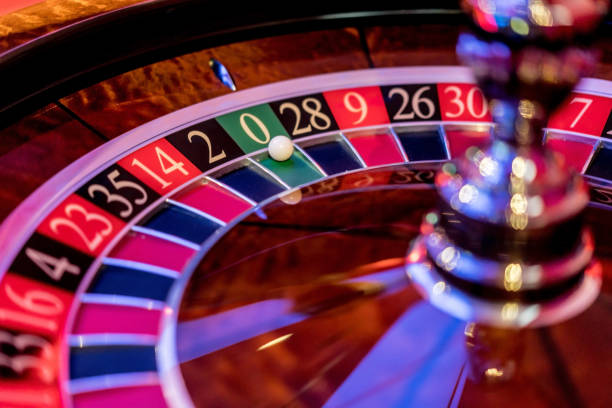
The psychology of luck is an intriguing subject, especially in the context of gambling. Many players experience the “gambler’s fallacy,” which is the belief that past outcomes can influence future chances. For instance, if a roulette ball lands on red several times in a row, players may feel that black is “overdue” and place bets accordingly. This line of thinking illustrates how luck can create irrational behaviors that lead to poor decision-making, ultimately affecting one’s success at the casino.
Moreover, the thrill and excitement associated with gambling can lead individuals to attribute their wins to luck while scapegoating losses as bad luck. This psychological tendency can reinforce the belief in luck, diverting attention from strategy or skill development. Players defeated by this mindset may continue to gamble without a proper understanding of the odds, leading to repeated mistakes and financial losses. This highlights the importance of maintaining awareness and rationality within the gambling context to mitigate the potential negative impacts of relying solely on luck.
Additionally, casinos are designed to heighten the allure of luck and chance, employing bright lights, engaging sounds, and interactive games to create an environment of excitement and anticipation. This atmosphere can amplify the psychological effects of luck, as players become emotionally invested and perhaps overlook the mathematical realities of the games they play. Understanding this psychological interplay can empower players to make more reasoned choices, allowing them to enjoy the thrill of gambling while recognizing the limitations of luck in their overall success.
The Influence of External Factors
External factors can also play a significant role in a player’s perception of luck and success at the casino. Elements such as the time of day, the season, or even the casino’s ambiance can contribute to how players experience luck. For example, some gamblers believe that visiting a casino during busy hours can lead to a more vibrant atmosphere, enhancing their overall experience and possibly their luck. Conversely, quieter periods may instill a sense of isolation, leading to less favorable outcomes.
Additionally, the social aspect of playing with friends or fellow gamblers can influence players’ beliefs about luck. Shared experiences can create a sense of camaraderie, where players attribute their collective success to lucky moments. This shared mindset can be empowering but may also obscure individual skill or strategy contributions. Players who engage in this social aspect must balance the enjoyment of shared experiences with a realistic view of their personal gambling habits and strategies.
Furthermore, research suggests that location can also affect a player’s feeling of luck. Some people believe that certain casinos are “luckier” than others, based on anecdotal experiences or stories from other players. This perception can lead to a pattern of behavior where individuals repeatedly visit specific establishments in search of good fortune. While these beliefs may enhance the enjoyment of the experience, they must be approached with skepticism, as game outcomes remain fundamentally driven by chance and the casino’s house edge.
Conclusion: Luck vs. Strategy in Casino Success
In conclusion, the influence of luck on success at the casino is undeniably significant but should not overshadow the critical role of strategy and skill. While players may experience moments of luck that lead to wins, consistently achieving long-term success requires a deep understanding of the games played and the application of effective strategies. Recognizing the interplay between luck and skill allows players to approach gambling in a more balanced and informed manner, ultimately enhancing the experience.
Moreover, understanding the psychological aspects of luck can help players navigate their gambling journey with greater awareness. By avoiding the pitfalls of irrational decision-making and focusing on skill development, players can maximize their enjoyment while minimizing potential losses. Education about the games and sound financial management can go a long way in creating a sustainable gambling experience that respects both the element of luck and the importance of strategy.
As you consider your own experiences at the casino, remember the blend of luck and skill in your gaming choices. Each session presents a new opportunity to engage with the games you love while also allowing you to refine your strategies and approach. Embrace the excitement of the game with a clear understanding of the dynamics at play, and you may find that your time at the casino is both enjoyable and rewarding.